
Navigating Daily Life in Tokyo as a Foreigner
Once you have settled into your apartment, the next challenge is learning how to navigate daily life in Tokyo. From grocery shopping to healthcare, mastering these basics will make your life smoother and more enjoyable.
1. Grocery Shopping Guide
Helpful, compact guide to supermarkets in Tokyo’s 23 wards — from budget chains to organic stores.Perfect for people living in or searching for a monthly apartment in Tokyo.
How to use this guide
If you plan a medium- to long-term stay in Tokyo, choose a supermarket type that matches your budget and lifestyle:
budget chains for the lowest prices, 24-hour mini-markets for late-night convenience, premium stores for imported and gourmet items,
and organic shops for natural / health-focused groceries.

A. Budget – Large Supermarkets (Everyday Value)
Best for day-to-day grocery shopping and saving on basics.
B. Budget – Small / 24-Hour Supermarkets (Convenience)
Ideal for late-night returns from work or quick top-ups.
- My Basket — Compact, local, very handy for daily essentials.
- Maruetsu Petit — Small-format Maruetsu stores, many open 24h; great near stations.
C. Quality – Mid-Size Supermarkets (Imported & Gourmet)
Good balance of quality and variety — popular with expats and food lovers.
- Seijo Ishii — Wide range of imported goods, premium deli, cheeses and wines.
- Queens Isetan — Department-store-level groceries and seasonal produce.
- Santoku — High-quality fresh produce in residential areas.
D. High-End Supermarkets (Luxury & Imports)
For shoppers who prioritize premium ingredients and international brands.
- Kinokuniya — Gourmet foods, bakery items, and imported brands.
- National Azabu — Wide selection of Western products — popular with foreign residents.
- Meidi-Ya — Stable supply of imported groceries and quality wines.
E. Organic / Natural Food Stores (Health-Focused)
Preferred by long-stay expats and health-conscious residents.
- F&F (Natural Food Store) — Organic vegetables, additive-free prepared foods.
- Bio c’ Bon — French organic chain; reliable EU-standard organic products.
- Natural House — Longstanding natural-food brand with groceries and cosmetics.
- Kodawariya — Local natural-food specialty stores in residential neighborhoods.
F. Discount & Bulk / Wholesale-Style
For bulk purchases, parties, or very low-cost stock-ups.
- Gyomu Super — Bulk, low prices, frozen and prepped goods ideal for shared apartments.
- OK — Low-price, good quality; rapidly expanding in Tokyo.
- Don Quijote — Discount chain with groceries and household items in one place.
Quick tips for expats / monthly apartment residents
- Choose a supermarket type based on how often you cook and your budget.
- For imported ingredients, check Seijo Ishii, National Azabu or Bio c’ Bon.
- 24h mini-markets are common near stations — great for late arrivals.
- Many supermarkets sell ready-made bento and microwavable meals — convenient for busy days.
2. Transport
Tokyo’s 23 wards offer one of the most advanced and reliable transportation networks in the world.
With subways, trains, buses, taxis, and ride-hailing apps available everywhere,
foreigners staying in monthly apartments in Tokyo can easily move around the city.
This guide summarizes all major transportation options in a simple and practical way to help first-time visitors navigate Tokyo without stress.
(1) Subway: The Most Convenient Way to Travel Within Tokyo
The subway is the most common and efficient transportation method inside the 23 wards.
It connects nearly all major areas, including business districts, shopping streets, and tourist destinations.
● Two subway operators
The subway is known for its punctuality, frequent service, and wide coverage.
For fast and reliable movement within central Tokyo, the subway is your best option.

(2) Trains: Ideal for Long-Distance and Airport Access
In addition to the subway, Tokyo has a dense train network operated by JR and several private companies.
● JR Lines
- Yamanote Line: A loop line connecting major hubs such as Shinjuku, Shibuya, Tokyo, and Ueno.
- Chuo / Sobu Line: Convenient for western Tokyo and central areas.
- Keihin-Tohoku Line: Runs north–south through major stations like Tokyo, Shinagawa, and Ueno.
● Private Railways
- Tokyu
- Keio
- Odakyu
- Keikyu
- Tobu
- Seibu
These lines mainly connect suburban areas with central Tokyo.
● Monorails for Airport & Bay Area Access
- Tokyo Monorail: Hamamatsucho ⇔ Haneda Airport
- Yurikamome: Shimbashi ⇔ Odaiba / Ariake
These lines are convenient when traveling to airports or waterfront areas.
(3) Buses: Useful for Areas Not Covered by the Subway
Tokyo’s bus network is extensive and essential for reaching neighborhoods
that are not close to a subway or train station — especially helpful for those staying in monthly apartments.
● Key features
- Toei Bus is the main operator.
- Covers many areas without train stations.
- English announcements are available on many routes.
- Short-distance trips are cost-effective.
Buses may be affected by traffic, so it’s best to allow extra time during peak hours.
(4) Taxis: Safe, Reliable, and Available 24/7
Tokyo taxis are known for their safety and professionalism.
They are especially useful when traveling with luggage or moving late at night.
● Features
- Starting fare: about 500–600 yen
- Credit cards and IC cards (Suica/PASMO) are widely accepted
- Easy to hail in central Tokyo
Taxis are clean, safe, and very reliable — ideal for airport transfers or nighttime travel.
(5) Uber Taxi: Easy-to-Use Ride-Hailing App for Foreigners
Uber operates in Tokyo, but the system is different from other countries.
● How Uber works in Tokyo
- Uber connects you with licensed taxi companies (not private drivers).
- English-friendly app for booking and payment.
- Estimated fares are displayed before the ride.
- During busy hours, wait times may increase.
Other apps like DiDi and GO are also popular in Japan.
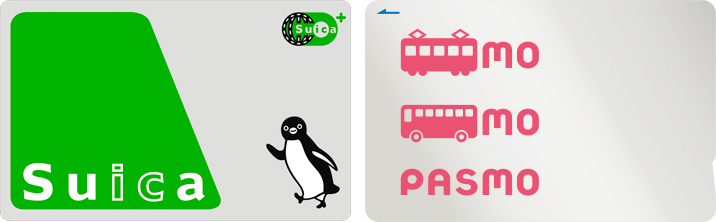
(6) Suica & PASMO: Essential IC Cards for Seamless Travel
Suica and PASMO are rechargeable IC cards that make traveling in Tokyo much easier.
They are strongly recommended for anyone staying longer than a few days
● Where you can use them
- Subways, JR trains, private trains, buses, monorails
- Convenience stores and vending machines
- Restaurants and coin lockers
● Smartphone versions available
- Supports Apple Pay and Google Wallet
- Recharge through apps
- Easy to reissue if lost
For long-term stays in Tokyo, these cards are considered essential.
(7) Tokyo’s Transportation Is Complex — Use Google Maps & Route Apps
Tokyo’s transportation network is highly developed but also extremely complex,
which can make navigation challenging for newcomers.
● Recommended apps
- Google Maps: Simple and beginner-friendly
- NAVITIME / Japan Transit Planner: Strong for Japanese rail routes
- Japan Travel by NAVITIME: Designed for foreign visitors
These apps help you check travel times, transfer routes, and fares within seconds.
Conclusion
Tokyo’s 23 wards offer a world-class transportation system with many options:
- Subways for fast travel within the city
- JR and private trains for wide-area connections
- Buses for local neighborhoods
- Taxis and Uber for safe and comfortable rides
- Suica/PASMO for seamless payment across all systems
- Google Maps and NAVITIME to avoid getting lost
By using these tools and services, foreigners staying in monthly apartments can navigate Tokyo easily and comfortably.
3. Healthcare
Tokyo’s 23 wards offer some of the best medical access in Japan, with 637 hospitals and medical facilities as of 2023. Among them, Bunkyo Ward stands out as a major medical hub, hosting world-renowned university hospitals such as the University of Tokyo Hospital, Juntendo University Hospital, and Tokyo Medical and Dental University Hospital.
For foreign travelers staying in Tokyo — including those using monthly apartments or mid-term accommodation — the city provides a wide range of options such as English-speaking hospitals, general clinics, emergency care, and telemedicine services. This guide summarizes everything you need to know to access healthcare smoothly in the Tokyo 23 wards.
(1) Types of Medical Facilities in Tokyo
● General Hospitals
- Large hospitals with multiple departments and specialists
- Many offer emergency services
- Examples: Tokyo Medical and Dental University Hospital, Keio University Hospital, Juntendo University Hospital
● Medical Centers
- Often public institutions
- Specialized centers for pediatrics, cancer care, infectious diseases, and more
- Examples: Tokyo Metropolitan Komagome Hospital, Tokyo Metropolitan Children’s Medical Center
● Clinics / Private Clinics
- Found everywhere in the city
- Suitable for minor illnesses, check-ups, and daily healthcare
- Many clinics require advance reservations
(2) English-Speaking Hospitals in Tokyo
Foreign-friendly hospitals are concentrated in:
- Minato (Roppongi, Azabu, Akasaka)
- Shibuya (Shibuya, Ebisu, Daikanyama)
- Shinjuku
- Chuo (Nihonbashi, Ginza)
Recommended English-speaking hospitals:
- Tokyo Midtown Clinic (Minato)
- St. Luke’s International Hospital (Chuo)
- Hills Clinic Roppongi / Azabu
Tip: Search using keywords like “English-speaking doctor Tokyo” or “foreign-friendly clinic Tokyo”.
(3) “Three Prestigious Hospitals” for Childbirth
Tokyo has three highly regarded maternity hospitals, known as the “celebrity hospitals” due to their premium services.
- Sanno Hospital (Minato) – Known for exceptional facilities and privacy
- Aiiku Hospital (Minato) – Historically used by the Imperial Family
- St. Luke’s International Hospital (Chuo) – Strong maternity and pediatric care; excellent English support
(4) Telemedicine (Online Medical Consultation)
- Consult doctors online using a smartphone or PC
- English-speaking telemedicine services available
- Prescriptions can be delivered to your accommodation
Search terms: “online medical consultation Tokyo” or “telemedicine English Japan”.
(5) Types of Pharmacies in Japan
● Prescription Pharmacy (Dispensing Pharmacy)
- Accepts prescriptions from hospitals or clinics
- Located near major medical facilities
● Drugstores
- Sells over-the-counter medicines, cosmetics, snacks, and daily items
- Some shops also have dispensing counters
(6) How to Search for Hospitals in Tokyo
Useful tools:
- Tokyo Metropolitan Medical Institution Search Service
Search by area, specialty, or language support - Japan Healthcare Info (JHI)
Provides hospital introductions and booking support for foreigners - Google Maps
Use keywords like “English-speaking clinic”, “hospital near me”, or “Tokyo clinic”
(7) About Medical Insurance in Japan
Foreign residents typically join:
- National Health Insurance (NHI)
- Employee Health Insurance
Coverage: Most treatments are covered at 70%, meaning patients pay only 30% out-of-pocket.
Note: Short-term visitors are not eligible and should use travel insurance.
(8) Important Tips for Foreign Travelers Seeing a Doctor
- Bring cash or a credit card — some clinics do not accept credit
- Carry your passport and travel insurance documents
- Many hospitals require advance reservations
- Prescription validity: 4 days
- Late-night or weekend medical care may have extra charges
- Prepare basic symptom descriptions in English or Japanese
(e.g., fever, rash, stomach pain, vomiting, pregnancy)
Conclusion: Safe and Accessible Medical Care in Tokyo
With its large number of hospitals, English-speaking clinics, telemedicine services, and foreigner-friendly support systems, the Tokyo 23 wards offer a reliable medical environment for international visitors. Whether you are staying in a hotel or a monthly apartment in Tokyo, you can access high-quality healthcare when needed.
Use this guide to stay informed and enjoy a safe and comfortable stay in Tokyo.
4. Language
Tokyo’s 23 wards are one of the world’s great big cities — but living here using only English can be harder than many visitors expect. While popular tourist spots and some foreigner-friendly commercial areas offer English support, many everyday situations — shopping, hospital visits, and local government paperwork — may not.
(1) Why English isn’t always enough
It’s not just a matter of English ability. Many Japanese people are shy about speaking a language they’re not confident in and may avoid using English in public. Even if they understand some English, they sometimes prefer not to speak it.
(2) How a little Japanese helps a lot
Learning a few basic phrases or speaking broken Japanese can dramatically improve daily life and travel options. Simple skills like greetings, asking for directions, or reading basic signs will:
- make communication smoother
- increase the places and services you can use
- let you enjoy more local experiences
- reduce stress during unexpected issues
(3) Government language support
Tokyo Metropolitan Government and many ward offices offer multilingual support, such as:
- multilingual help desks
- translated living guides
- disaster & emergency info in multiple languages
- ward-level interpretation services via apps/LINE in some areas
Check your local ward office website for details and links to services.
(4) Translation apps that help every day
Translation apps are indispensable for day-to-day life in Tokyo. Recommended apps:
- Google Translate — text, camera, and conversation translation.
- DeepL — high-quality text translation for messages and emails.
- VoiceTra — speech translation developed by a Japanese research institute.
Even a quick lookup can make a big difference.
Related Reading
👉 Related: Living Comfortably in Tokyo
Why contact us?
Monthly apartments are usually booked without viewing, and early reservations can save you up to 60%.
With local support, you’ll get better options, better prices, and a smoother start in Tokyo.


 Tokyo Monthly Living
One thought on “Article 4”